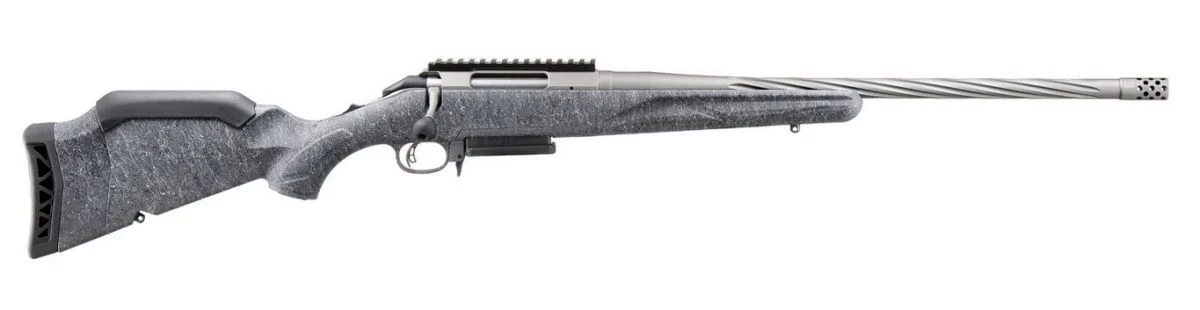
Rifles for Arizona mule deer, Coues whitetail and elk
Arizona hunting runs on the draw. Almost every rifle tag for deer, elk, pronghorn, bighorn and fall javelina comes out of an application process run by the Arizona Game and Fish Department, with a bonus point system behind it. That shapes the rifle you buy, because a tag you waited three years for deserves a rifle you can shoot at distance, and because the animal you will spend the most time on in southern Arizona, the Coues whitetail, is roughly the size of a large dog and lives on the far side of a canyon.
The 2026-27 draw calendar
For the fall 2026 hunts, the department accepted applications for deer, turkey, javelina, bighorn sheep, bison and sandhill crane from June 2, 2026 until 11:59 p.m. Arizona time on July 24, 2026. Leftover permits went to a first-come process with mailed applications accepted from July 6 and counter sales from July 13. Elk and pronghorn run on a separate calendar: those regulations come out in early January and that draw closes in February. Spring javelina, spring turkey and spring bison regulations come out in early September with an October deadline. Check the current application schedule before every cycle, because the dates move by a few days each year.
Units and seasons around Tucson
Unit 33 covers the Santa Catalina and Rincon mountains above Tucson and held general Coues whitetail hunts on October 23 to 29, November 6 to 12, November 27 to December 6 and December 11 to 31, 2026, along with an antlered mule deer hunt on October 30 to November 5. The same four-hunt pattern repeats through the border units: 34A in the Santa Ritas, 34B in the Whetstones and Dragoons, 35A under the Huachucas at Sierra Vista, 35B toward Tombstone, and 36A, 36B and 36C running west from Nogales into the Atascosas and the Altar Valley. North and east of the metro area the country changes to desert mule deer in 37A and 37B and to mixed mule deer and whitetail in 31, 32 and 30A and 30B.
The one tag you can buy without drawing is the archery-only deer nonpermit-tag. It is sold over the counter, it is valid for one calendar year, and every unit has a harvest limit; when the limit is hit, that unit closes to archery deer hunting at sundown the following Wednesday. Archery deer hunters must report a harvest online within 48 hours. Resident tags went on sale at department offices on November 2, 2026 and at license dealers on November 23.
What is legal
For deer and elk the department allows any centerfire rifle, centerfire handgun, muzzleloader, crossbow, bow, or a pre-charged pneumatic air rifle in .35 caliber or larger, with method limits set by each hunt number. Rimfire cartridges are not a legal method for big game. Some hunts are labeled HAM, meaning handgun, archery or muzzleloader only, and others are archery-only, so read the hunt number in the regulations before you buy a rifle for it.
Coues whitetail rifles
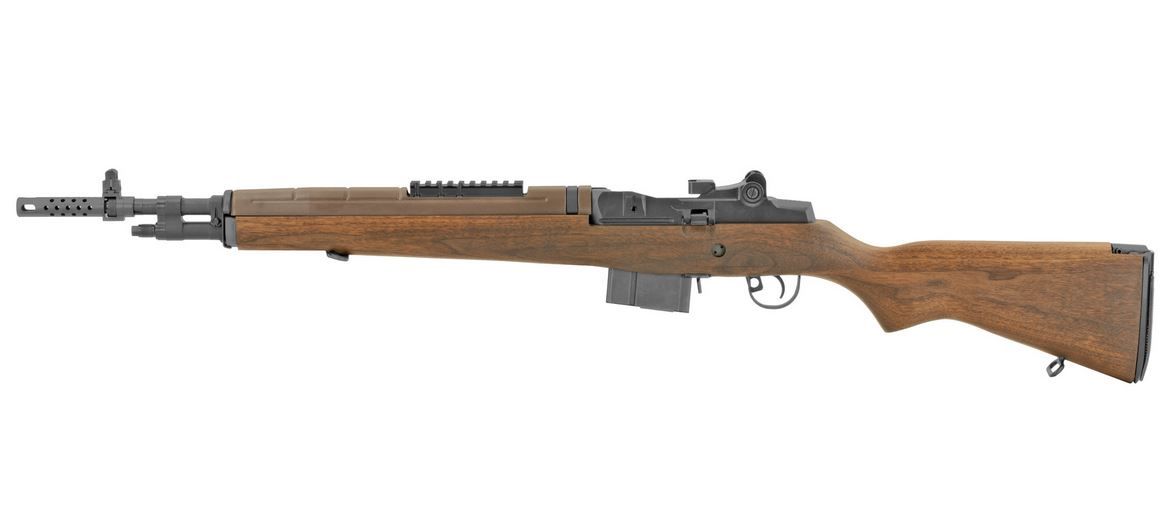
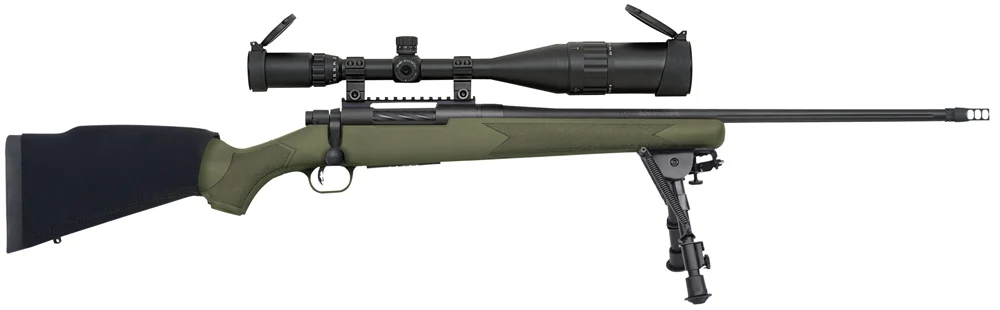
A Coues buck weighs less than a hundred pounds and is usually shot between 250 and 500 yards after a long morning behind a tripod-mounted binocular. Flat trajectory, low recoil and good glass matter more than raw power. The .243 Winchester, 6mm Creedmoor, 6.5 Creedmoor, .25-06, .257 Weatherby and .270 Winchester are all popular, and the .308 Winchester works fine for anyone who already owns one. Tikka, Christensen Arms, Savage, Browning and Ruger all build light mountain rifles in these chamberings. Pair one with a 4-16x or 5-25x scope with a repeatable elevation turret, and spend money on a tripod and a rangefinder before you spend it on a bigger cartridge.
Mule deer and elk rifles
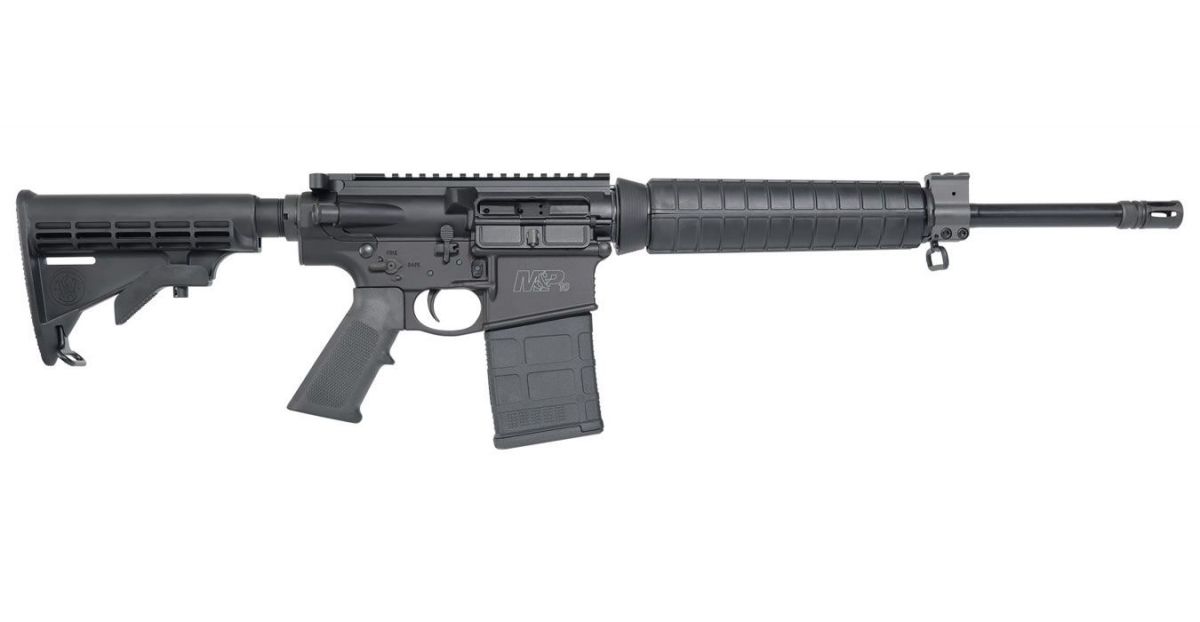
Desert mule deer in 37A, 41 or 16A are bigger animals in more open country, and a .270, 7mm-08, .308 or .30-06 covers everything. Elk in the units up on the Mogollon Rim and around Flagstaff and Show Low deserve more: the .30-06, .300 Winchester Magnum, 7mm Remington Magnum and the modern 6.5 and 7mm magnums are the standard answers, loaded with a bonded or monolithic bullet in the 150 to 200 grain range. A rifle you can carry at 9,000 feet beats a rifle that shoots a tenth of an inch better off a bench.
Practice before the hunt
The difference between a filled tag and a long drive home is almost always field shooting practice. Arizona Game and Fish lists Commission-owned public ranges with rifle distances out to 1,000 yards, including the range at Three Points west of Tucson. Shoot from a pack, a tripod and a sitting position, not just off sandbags, and verify your zero after every long drive on washboard roads.
Ammunition and gear
Buy the ammunition you plan to hunt with early, and buy enough to zero, confirm and still have a box in the truck. Desert hunts are hard on gear: dust, cholla and granite scratch everything, so a synthetic stock and a nitride or cerakote finish earn their cost.
Bonus points and the long game
The draw runs on bonus points, and a point you skip is a point you never get back. Most Arizona hunters apply every year even in seasons when they cannot go, using the bonus point only option that appears at the top of each species list in the regulations. That single line is the difference between drawing a good elk unit in eight years and never drawing it at all. Read the application schedule each cycle, keep the card on file with the department current so a declined payment does not drop your application, and remember that leftover permits go on sale in early July for anyone who missed the deadline.
One rifle for the whole state
If you only want one rifle, a light bolt gun in 6.5 Creedmoor or .270 Winchester with a 3-18x or 4-16x scope will take a Coues buck at 400 yards in Unit 33, a desert mule deer out of 37A and a cow elk on the Rim. Add a suppressor-ready muzzle thread if you want it later, put the rifle in a stock that fits you, and shoot it enough that the drop chart on the turret cap is your own data rather than a printout from a ballistic app. Start with the rifle catalog, check the seasons in our quail, dove and javelina guide for the small game side of the calendar, and see the Arizona gun law overview for the paperwork behind a purchase.
General information, not legal advice. Current as of September 2026. Laws change; check the official source before you act.